
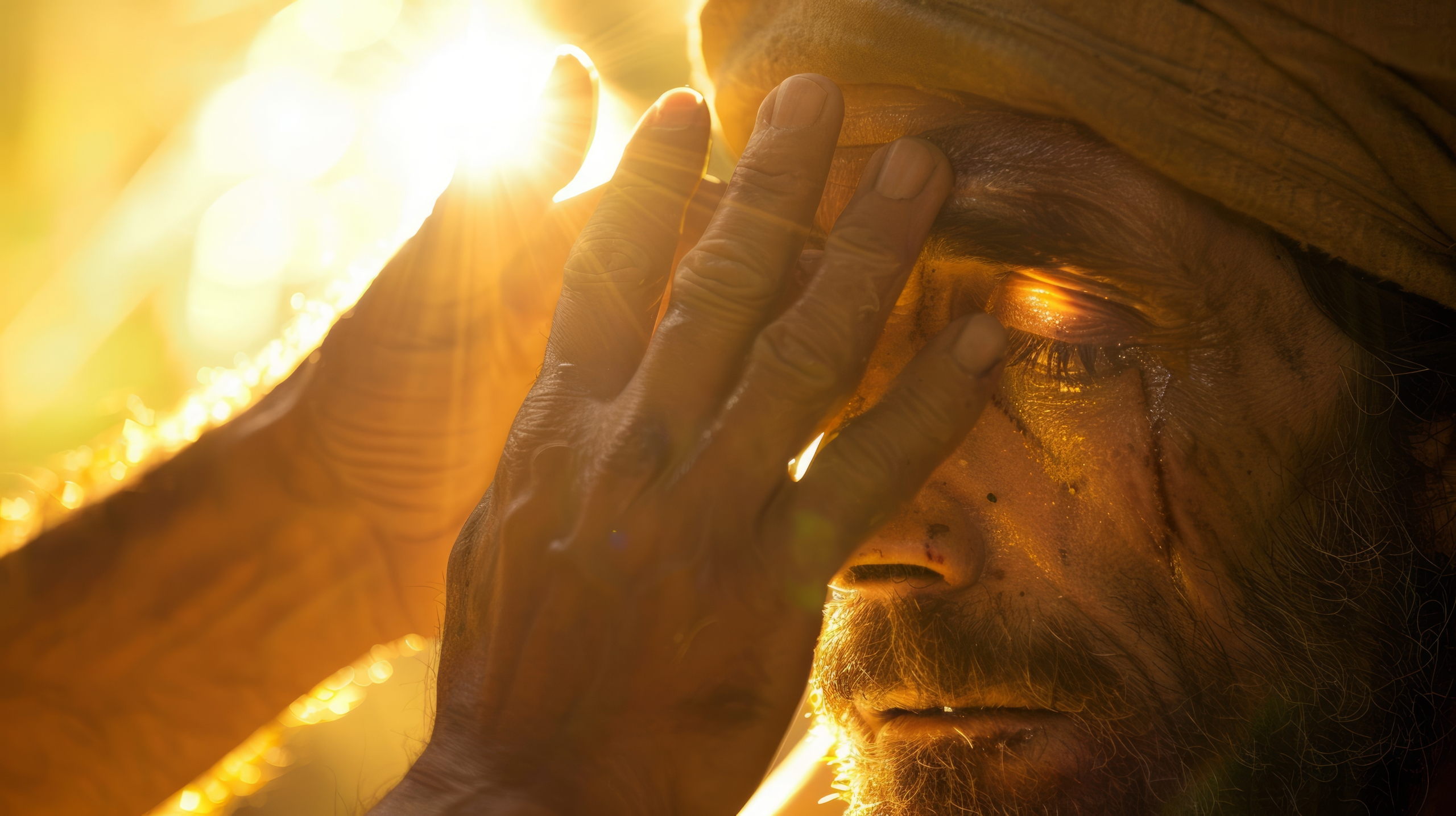
Willing the good of the other
Bishop Scott Bullock
Homily from the Televised Mass, NewsCenter1
The 30th Sunday in Ordinary Time, October 27, 2024
Have you noticed that we are in the middle of election season? Of course you have! How could we miss it? With much of the attention focused at the so-called head of the ticket with the US presidential election being contested, here in South Dakota, we’re also asked to weigh in on seven different ballot measures, ranging in topic from the regulation of carbon dioxide pipelines to food and grocery taxes. But certainly, the most discussed and most lobbied of them all is the so-called Amendment G which, if passed, will establish a constitutional right to procure an abortion.
No doubt, you have seen advertisements on TV and many “lawn-signs,” all seeking to influence your vote. While as a Bishop I am not to use my office to support any political candidate, the church is certainly free to advocate regarding the ballot measures, which is why I put a “NO on G — It’s too extreme” sign in my own front yard. Though the sign has been stolen at least once, I’m stubborn in the defense of life as the greatest of God’s gifts so it’s been replaced!
On a route that I drive on most every morning, I have seen in the yards of consecutive homes, signs that come down on both sides of this divisive issue. Right after a “NO on G — It’s too extreme” sign like the one in my yard, is this message: “YES on G — End the Abortion Ban.” And then adds an angry postscript, which I’ll modify for polite company: “Mind your own darn business!” it says. The implication is that the issue of abortion is a private matter even though the taking of an innocent human life is by definition not a private matter. It certainly involves another person. Neither is, by definition, a ballot referendum private. We have the right and an obligation to weigh in on such a matter of importance for our state and society.
With this in mind, I want to point out that this Sunday’s Scriptures focus on God as a healer, particularly a God who heals blindness. From the Book of Jeremiah, the prophet speaks the promises of a God to a people exiled from their homeland. The prophet says, “I will gather them from the ends of the world, with the blind and the lame in their midst, the mothers with child; they shall return as an immense throng.”
Here, we see once again a God who has special concern for the least and the weakest: the blind, the lame, and even pregnant women. In this, a God who cares for the little ones is revealed. The same healing God is revealed in Jesus, who heals the blind man Bartimaeus in the Gospel, who, once he is healed, we are told, “follows [Jesus] on his way.” Not only has his physical sight been restored, but now he can literally see God and follow his vocation as a disciple of the Lord.
The Letter to the Colossians from the New Testament says about Jesus, “He is the image of the invisible God.” In other words, when we look at Jesus, God is revealed for us to see. And, in Jesus’ revelation of the God of mercy who seeks to heal and restore his children, we see not just who God is but also who we are. We’re God’s precious children who possess a dignity that God desires to defend, protect, and restore.
So, with this revelation of who God is and who we are, we can take two things into the current electoral discussions about Amendment G and its proposed establishment of the right to abortion:
First, because of the dignity of the human person revealed by a God who creates us and heals us, it is our business to advocate for the dignity of each human person. And, as the prophet Jeremiah revealed the heart of God as concerned for the “mother with child,” so too we have the same concern.
Secondly, as we see revealed in Jesus’ healing of Bartimaeus’ vision, God has come, in Christ, to open our eyes to the truth of the Father’s mercy and to our status as those who are precious, the apple of God’s eye. With this vision given to us by the revelation of Jesus, it is our business to seek to enlighten others to the radiance of the dignity of each human person that Jesus himself came to restore. Thus, in our time, we will speak in defense of the dignity of each human person, particularly the least and the weakest, including the mother with child. Including both of them!
“Mind your own darn business!” Okay, we will! For, as revealed by Jesus, we see the dignity of each human person and we will seek to advocate their protection and, at the same time, seek to open the eyes of all to this radiant truth: each human being, no matter how weak and small, possess an inalienable dignity as persons created in God’s image.
So we pray. May the Holy Spirit, we pray, open the eyes of all people to the truth of the precious dignity of each person, no matter how small or weak. And may the Spirit’s gift of wisdom guide the electorate to make choices that protect and defend the least among us!
Bishop’s Writings
 https://www.rapidcitydiocese.org/wp-content/uploads/2026/07/industrial-revolution-scaled.jpg
1440
2560
Becky Berreth
https://www.rapidcitydiocese.org/wp-content/uploads/2022/02/WebHeader22-1.png
Becky Berreth2026-07-21 09:00:482026-07-21 12:05:08Pope Leo XIII, Rerum Novarum, and the Industrial Revolution
https://www.rapidcitydiocese.org/wp-content/uploads/2026/07/industrial-revolution-scaled.jpg
1440
2560
Becky Berreth
https://www.rapidcitydiocese.org/wp-content/uploads/2022/02/WebHeader22-1.png
Becky Berreth2026-07-21 09:00:482026-07-21 12:05:08Pope Leo XIII, Rerum Novarum, and the Industrial Revolution https://www.rapidcitydiocese.org/wp-content/uploads/2026/06/6-rite.jpg
1080
1920
Becky Berreth
https://www.rapidcitydiocese.org/wp-content/uploads/2022/02/WebHeader22-1.png
Becky Berreth2026-06-23 16:19:212026-06-23 16:32:04Welcome to the priesthood Father Todd VanderMay
https://www.rapidcitydiocese.org/wp-content/uploads/2026/06/6-rite.jpg
1080
1920
Becky Berreth
https://www.rapidcitydiocese.org/wp-content/uploads/2022/02/WebHeader22-1.png
Becky Berreth2026-06-23 16:19:212026-06-23 16:32:04Welcome to the priesthood Father Todd VanderMay https://www.rapidcitydiocese.org/wp-content/uploads/2026/06/chains_26555bc-copy-scaled.jpg
1440
2560
Becky Berreth
https://www.rapidcitydiocese.org/wp-content/uploads/2022/02/WebHeader22-1.png
Becky Berreth2026-06-17 12:03:072026-06-17 14:43:39Catholics and Slavery, Abolition, and the Civil War
https://www.rapidcitydiocese.org/wp-content/uploads/2026/06/chains_26555bc-copy-scaled.jpg
1440
2560
Becky Berreth
https://www.rapidcitydiocese.org/wp-content/uploads/2022/02/WebHeader22-1.png
Becky Berreth2026-06-17 12:03:072026-06-17 14:43:39Catholics and Slavery, Abolition, and the Civil War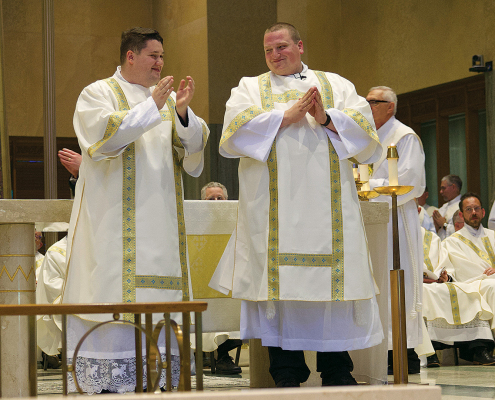 https://www.rapidcitydiocese.org/wp-content/uploads/2026/06/happy.jpg
1080
1920
Becky Berreth
https://www.rapidcitydiocese.org/wp-content/uploads/2022/02/WebHeader22-1.png
Becky Berreth2026-06-02 09:28:232026-06-18 11:46:25Ordination of Josiah Hanson and Blane Schriock to the Transitional Diaconate
https://www.rapidcitydiocese.org/wp-content/uploads/2026/06/happy.jpg
1080
1920
Becky Berreth
https://www.rapidcitydiocese.org/wp-content/uploads/2022/02/WebHeader22-1.png
Becky Berreth2026-06-02 09:28:232026-06-18 11:46:25Ordination of Josiah Hanson and Blane Schriock to the Transitional Diaconate https://www.rapidcitydiocese.org/wp-content/uploads/2026/04/bishops-column-logo-copy.jpg
1080
1920
Becky Berreth
https://www.rapidcitydiocese.org/wp-content/uploads/2022/02/WebHeader22-1.png
Becky Berreth2026-05-20 09:31:422026-05-20 09:33:50‘Acts of outright bigotry and violence were not uncommon’
https://www.rapidcitydiocese.org/wp-content/uploads/2026/04/bishops-column-logo-copy.jpg
1080
1920
Becky Berreth
https://www.rapidcitydiocese.org/wp-content/uploads/2022/02/WebHeader22-1.png
Becky Berreth2026-05-20 09:31:422026-05-20 09:33:50‘Acts of outright bigotry and violence were not uncommon’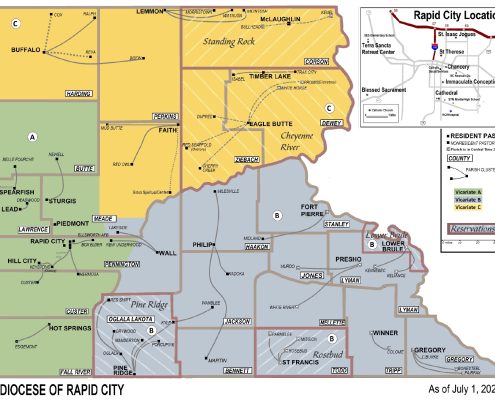 https://www.rapidcitydiocese.org/wp-content/uploads/2026/05/vicariate-map-slide-copy-scaled.jpg
1440
2560
Becky Berreth
https://www.rapidcitydiocese.org/wp-content/uploads/2022/02/WebHeader22-1.png
Becky Berreth2026-05-02 11:00:252026-04-30 17:00:22Restructuring the Presbyteral Council, Vicariates
https://www.rapidcitydiocese.org/wp-content/uploads/2026/05/vicariate-map-slide-copy-scaled.jpg
1440
2560
Becky Berreth
https://www.rapidcitydiocese.org/wp-content/uploads/2022/02/WebHeader22-1.png
Becky Berreth2026-05-02 11:00:252026-04-30 17:00:22Restructuring the Presbyteral Council, Vicariates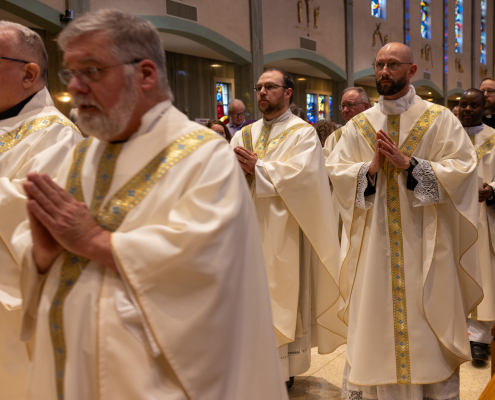 https://www.rapidcitydiocese.org/wp-content/uploads/2026/04/2Q9A9893.jpg
1152
2048
Becky Berreth
https://www.rapidcitydiocese.org/wp-content/uploads/2022/02/WebHeader22-1.png
Becky Berreth2026-04-27 11:00:382026-05-11 11:59:07Clergy Assignments 2026
https://www.rapidcitydiocese.org/wp-content/uploads/2026/04/bishops-column-logo-copy.jpg
1080
1920
Becky Berreth
https://www.rapidcitydiocese.org/wp-content/uploads/2022/02/WebHeader22-1.png
Becky Berreth2026-04-22 14:09:572026-04-22 16:36:20The early republic and the Carroll family
https://www.rapidcitydiocese.org/wp-content/uploads/2026/04/2Q9A9893.jpg
1152
2048
Becky Berreth
https://www.rapidcitydiocese.org/wp-content/uploads/2022/02/WebHeader22-1.png
Becky Berreth2026-04-27 11:00:382026-05-11 11:59:07Clergy Assignments 2026
https://www.rapidcitydiocese.org/wp-content/uploads/2026/04/bishops-column-logo-copy.jpg
1080
1920
Becky Berreth
https://www.rapidcitydiocese.org/wp-content/uploads/2022/02/WebHeader22-1.png
Becky Berreth2026-04-22 14:09:572026-04-22 16:36:20The early republic and the Carroll family https://www.rapidcitydiocese.org/wp-content/uploads/2026/04/2Q9A0315-1.jpg
1152
2048
Becky Berreth
https://www.rapidcitydiocese.org/wp-content/uploads/2022/02/WebHeader22-1.png
Becky Berreth2026-04-06 12:12:482026-04-09 10:55:36Triduum 2026
https://www.rapidcitydiocese.org/wp-content/uploads/2026/04/2Q9A0315-1.jpg
1152
2048
Becky Berreth
https://www.rapidcitydiocese.org/wp-content/uploads/2022/02/WebHeader22-1.png
Becky Berreth2026-04-06 12:12:482026-04-09 10:55:36Triduum 2026